
In cosmetic formulation, the effectiveness of active ingredients alone does not guarantee a product’s success. The sensory experience, ease of application, appearance and emulsion stability depend to a large extent on the strategic use of a cosmetic texturising agent. Whether you are developing a face cream, a hair balm or a makeup product, the choice of texturising ingredients determines the consistency, viscosity and feel of the continuous or dispersed phase.
This technical guide explains the roles, selection criteria and opportunities for innovation offered by texturising agents for cosmetics, with a focus on plant-derived alternatives.
A cosmetic texturising agent is a functional ingredient or combination of ingredients incorporated into a formulation to structure, modify or adjust the final cosmetic texture.
Its role goes beyond thickening: it shapes the microstructure of beauty products, influences their rheological behaviour and ensures overall quality throughout the product’s shelf life.
The key functions of a texturising agent in formulation:
it adjusts the flow of emulsions, gels and anhydrous formulations.
it prevents physical instability, such as creaming, sedimentation or coalescence, by strengthening the system’s three-dimensional network.
it influences the initial visual impression, product pick-up, glide during spreading and residual feel on the skin or hair fibres.
For a formulator, each natural or synthetic texturising agent addresses essential technical and sensory requirements:
by increasing the viscosity of the external phase or structuring the plant-derived lipid phase, these ingredients improve emulsion homogeneity. They often work in synergy with surfactants to stabilise the dispersion.
from a fluid serum to a rich, creamy mask, resistance to deformation must match the product’s promise and packaging.
spreading must be even, smooth and pleasant, ensuring that filters in sunscreen products or pigments in makeup are distributed effectively.
skin feel is the consumer’s first means of assessing a product. The sensation experienced during application helps shape user loyalty.
To choose the right agent for a skincare formulation project, it is essential to understand the main chemical families and their rheological behaviour:
made up of fatty esters, alkanes and complex mixtures, plant-derived waxes contribute melting characteristics, structure and hardness. They are essential for thickening lipophilic phases and stabilising sticks.
synthetic or natural esters influence spreading speed, reduce greasiness and provide flexibility. They adjust rheology while also providing emollient properties.
rich in triglycerides, vegetable butters offer a creamy consistency that melts at body temperature. They add body to formulations while nourishing the skin.
hydrocolloids or cellulose powder structure the aqueous phase. In the lipophilic phase, synthetic or synthetically derived polymers provide gelation.
in response to market expectations for natural and organic cosmetics, INCI lists are evolving. Formulators now seek plant-based alternatives to synthetic polymers, silicones and petroleum-derived jellies.
Cosmetic texturising agents are used in almost every category of modern cosmetics:
to adjust the finish of a cream, a mattifying fluid or a rich, enveloping mask.
essential in lipstick, foundation and solid balm formulations to ensure the stick’s mechanical strength and smooth product release during application.
in masks, conditioners and hair colour products, they provide the creaminess needed for even application without dripping.
this fast-growing category relies heavily on plant-derived waxes to maintain cohesion in water-free formats.
to stabilise the emulsion despite the filter load and ensure optimal water resistance.
To select the ideal texturising agent, formulators must consider a combination of technical and regulatory requirements:
With expertise in lipid extraction and green chemistry, SOPHIM designs innovative plant-derived ingredients to meet the needs of demanding cosmetic formulations.
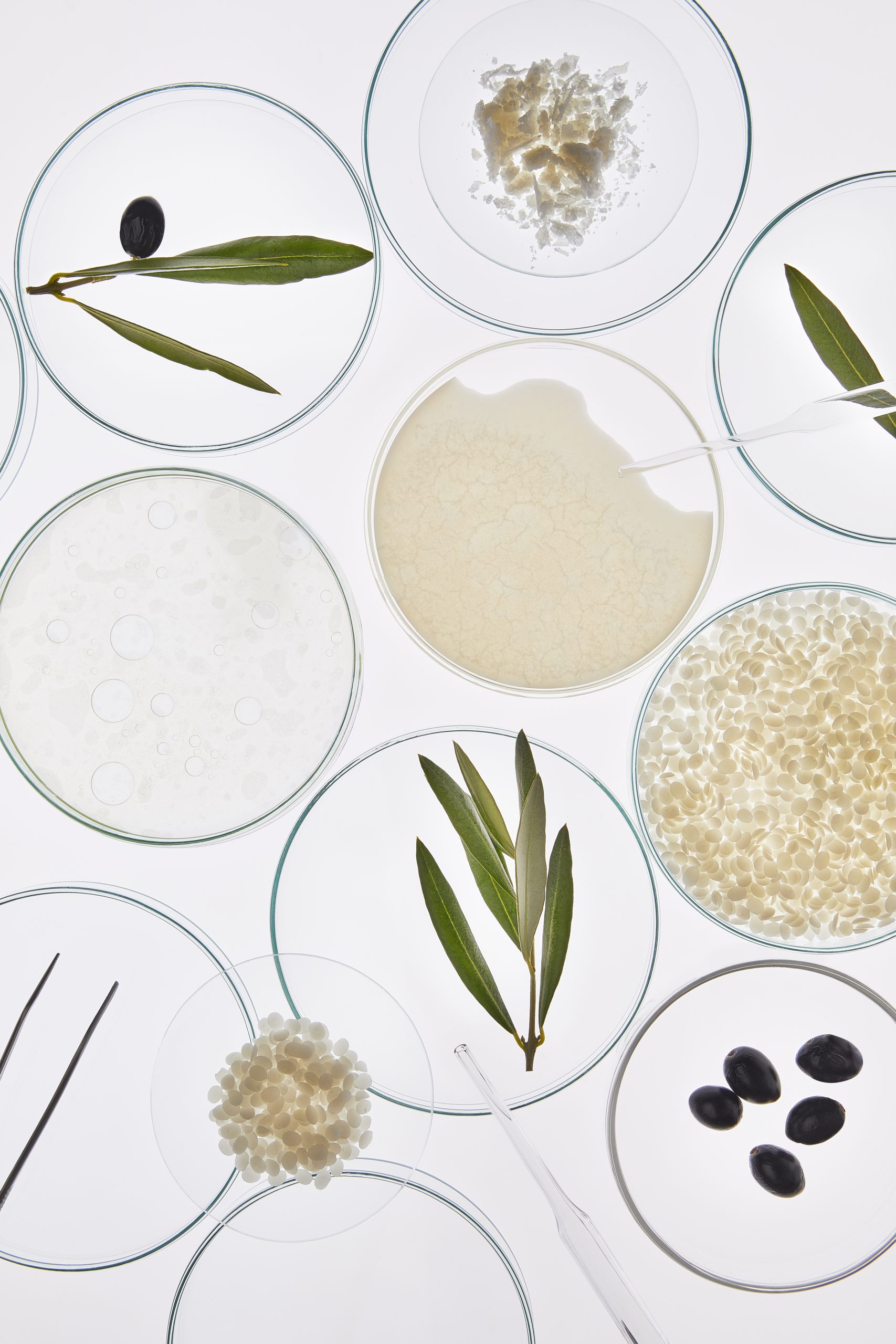
The Phytowax® range offers natural wax esters derived from olive oil or castor oil. Available with different melting points, these plant-derived waxes provide:
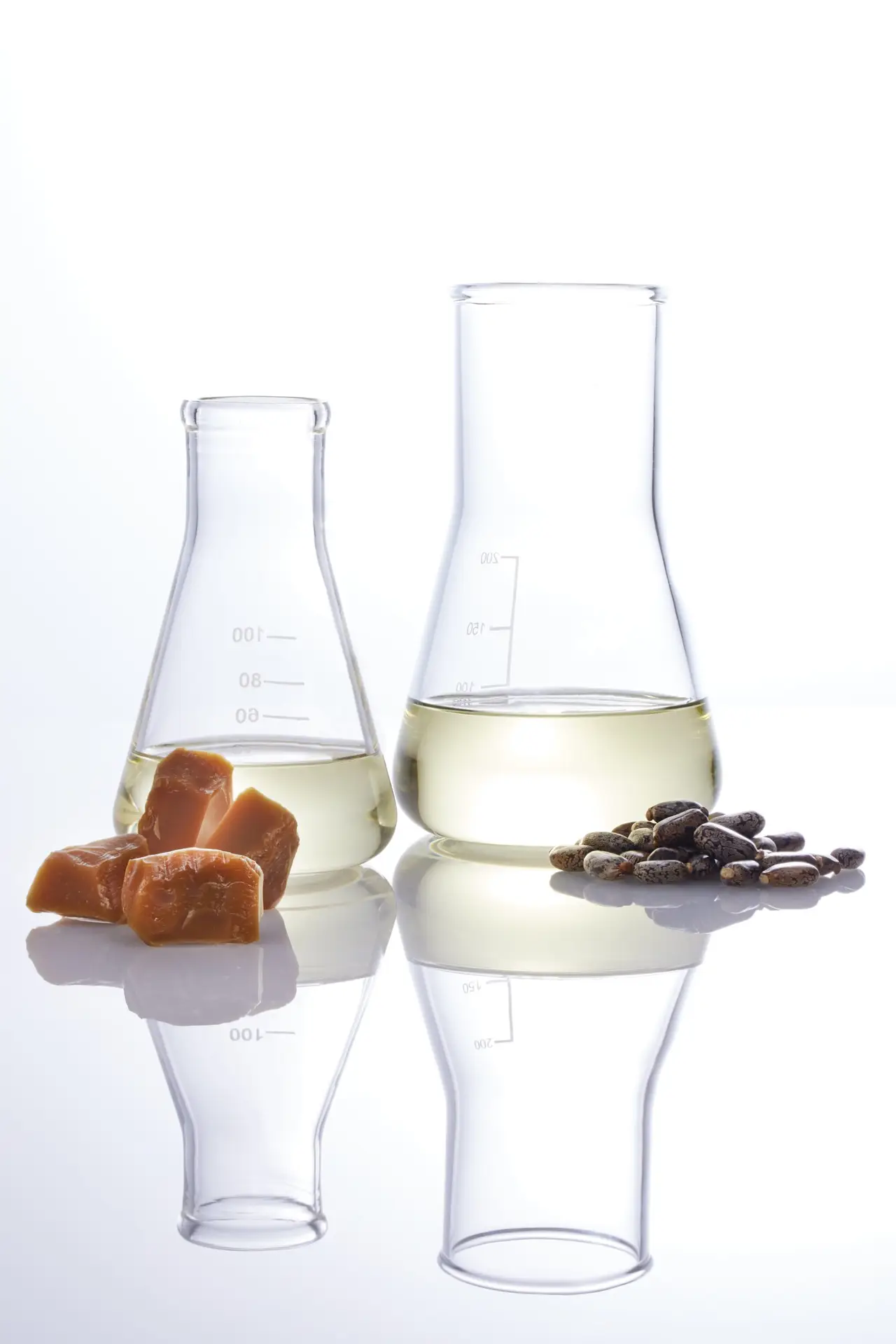
Vegeline® is a 100% plant-derived complex formulated from vegetable oils and wax. Designed as an alternative to petroleum jellies and paraffins, this natural texturising agent provides:
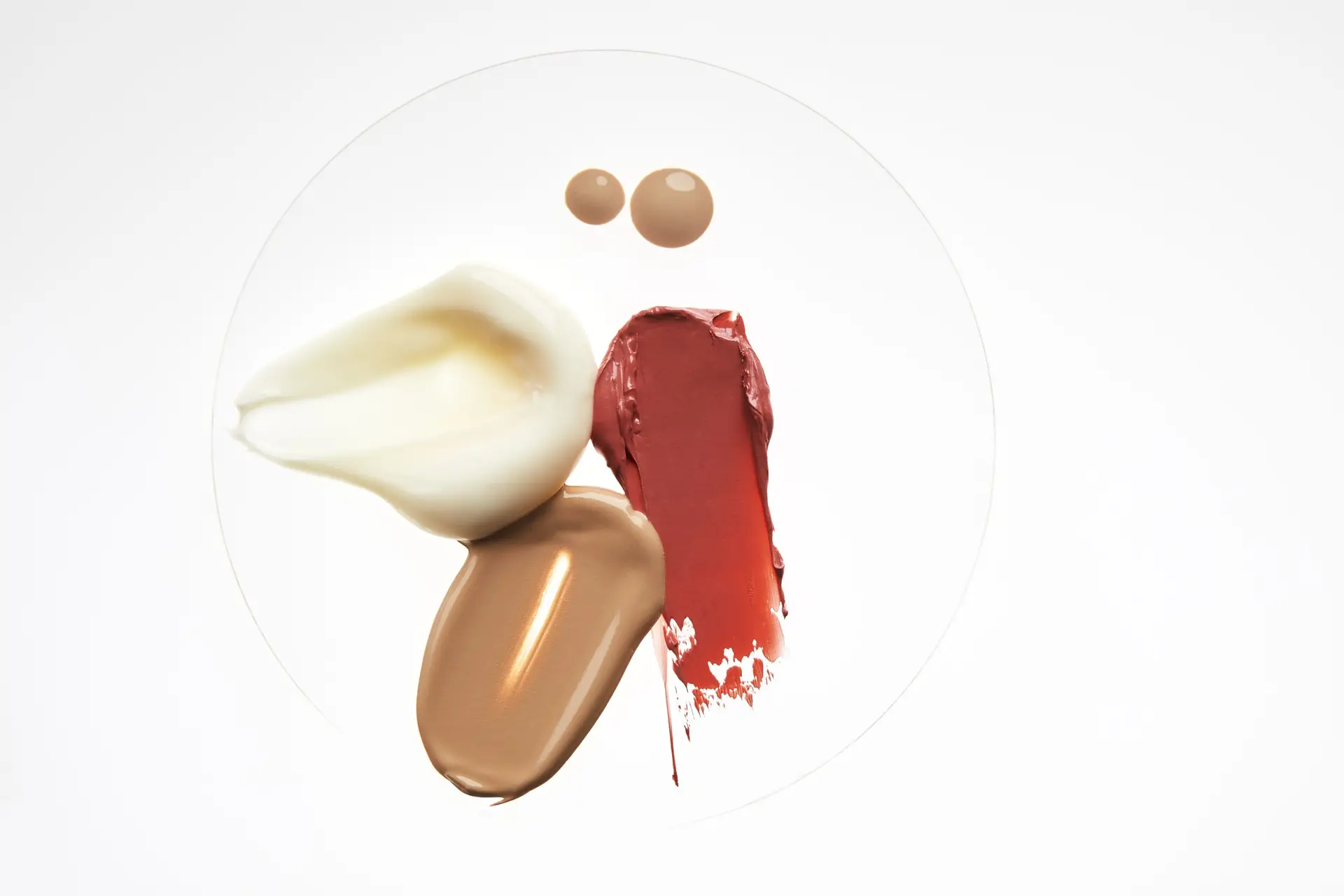
SOPHIM MC300 is a high molecular weight mineral oil base designed to provide body, structure and performance in formulations.
These solutions meet the needs of formulators seeking to combine technical performance, a distinctive sensory experience and proven stability.
Choosing a suitable cosmetic texturising agent is key to transforming a simple formulation into a complete sensory experience. Explore our ranges to discover how our plant-derived ingredients can enhance your creations.