Applications
Certifications
Applications
Certifications
In the natural and organic cosmetics industry, plant-derived lipids play a fundamental role in developing innovative, high-performance formulations. While vegetable oils are widely valued for their fluidity and fatty acid profiles, plant-based butters provide an irreplaceable combination of structure, sensory properties and functionality. Used as key cosmetic ingredients, they meet the needs of formulators seeking rich textures, stability and naturalness for skin, body and hair care.
From a physicochemical perspective, the main difference between an oil and a plant-based butter is their physical state at room temperature, which is directly related to their fatty acid composition. While oils predominantly contain unsaturated fatty acids, such as oleic or linoleic acid, butters contain a high proportion of saturated fatty acids, including stearic, palmitic and lauric acids.
This particular lipid structure gives cosmetic plant-based butters a semi-solid to solid texture and a melting point generally between 28 °C and 45 °C. Obtained by pressing or extracting plant seeds, nuts or kernels, these solid lipids contain an unsaponifiable fraction that is often rich in phytosterols, tocopherols and triterpenic alcohols.
In cosmetic formulation, a butter’s value extends well beyond its emollient function. It acts as a consistency agent, modifies the rheological behaviour of multiphase systems and contributes to the crystallisation of oil phases. Its natural origin makes it particularly well suited to products aligned with natural and organic cosmetics standards.
Incorporating plant-based butters into cosmetic recipes and matrices delivers major functional and sensory benefits:
Thanks to their film-forming properties, butters strengthen the skin’s hydrolipidic film. They limit transepidermal water loss, providing a protective, nourishing effect that is ideal for restoring dry epidermis or sensitive areas of damaged skin.
They add body to emulsions, transform a standard cream into a rich, luxurious treatment and create an enveloping sensory profile that is especially sought after in winter, after-sun and sports skincare.
By crystallising in the oil phase, butters contribute to the mechanical stabilisation of oil-in-water (O/W) and water-in-oil (W/O) emulsions.
At appropriate concentrations, they adjust spreadability without leaving a sticky film, while providing a soft, protective finish on dry or mature skin.
Each plant-based butter has a unique lipid profile and specific thermal characteristics that formulators need to assess:
A staple of beauty and skincare, shea butter is exceptionally rich in unsaponifiables. It offers excellent soothing, repairing and healing properties for the skin and for dry or coily hair. Its melting point, close to body temperature, ensures pleasant application.
Extracted from cocoa beans, cocoa butter is characterised by its hardness and sharp melting point of around 34–35 °C. It adds rigidity to sticks and solid cosmetics while leaving a lasting protective film.
Obtained from mango kernels, mango butter offers a more fluid alternative to shea butter. Lighter in texture, it has a balanced oleic and stearic acid profile, making it ideal for facial care targeting dehydrated skin without adding heaviness.
Combining the sensory character and dry, sebum-mimicking feel of jojoba oil with a solid consistency, jojoba butter melts instantly on contact with the skin. It provides a silky, non-greasy finish, making it ideal for balancing the texture of balms and mature-skin care products.
Particularly creamy and melting, sweet almond butter adds softness and considerable flexibility to emulsions. It is recommended for formulating soothing care for sensitive or reactive skin, or dry epidermis.
Plant-based butters can be incorporated into a wide range of cosmetic product categories:
Developing rich creams, regenerating treatments for mature skin, and soothing after-sun or sports skincare formulations.
Used as a structuring matrix in massage balms, lip balms and protective facial care products.
Incorporated into masks, conditioners and balms for damaged, dry, curly or coily hair.
Essential ingredients in solid shampoos, deodorant sticks and water-free solid body butters.
Used in lipsticks, compact foundations and concealers to provide binding and comfortable glide without altering fragrance or colour.
An R&D team’s choice of butter is based on several technical and industrial criteria:
Essential for ensuring the product’s thermal stability and its tactile response when touched.
Assessing resistance to rancidity, often linked to naturally occurring antioxidants or the raw material’s iodine value.
Assessing whether the ingredient feels greasy, sticky, fast-absorbing or dry on the skin.
Requiring ethical, traceable sourcing that meets organic standards and the expectations of committed brands.
Synergy with other emollients, oils and texturing agents.
A recognised expert in sourcing and processing natural lipids, SOPHIM supports brands and formulation laboratories in developing high-performance cosmetic products.
Through rigorous selection of plant-derived raw materials, SOPHIM ensures the purity, batch-to-batch consistency and stability required for industrial production.
To optimise the sensory profile of formulations containing butters, SOPHIM offers ideal synergies with its signature ingredients:
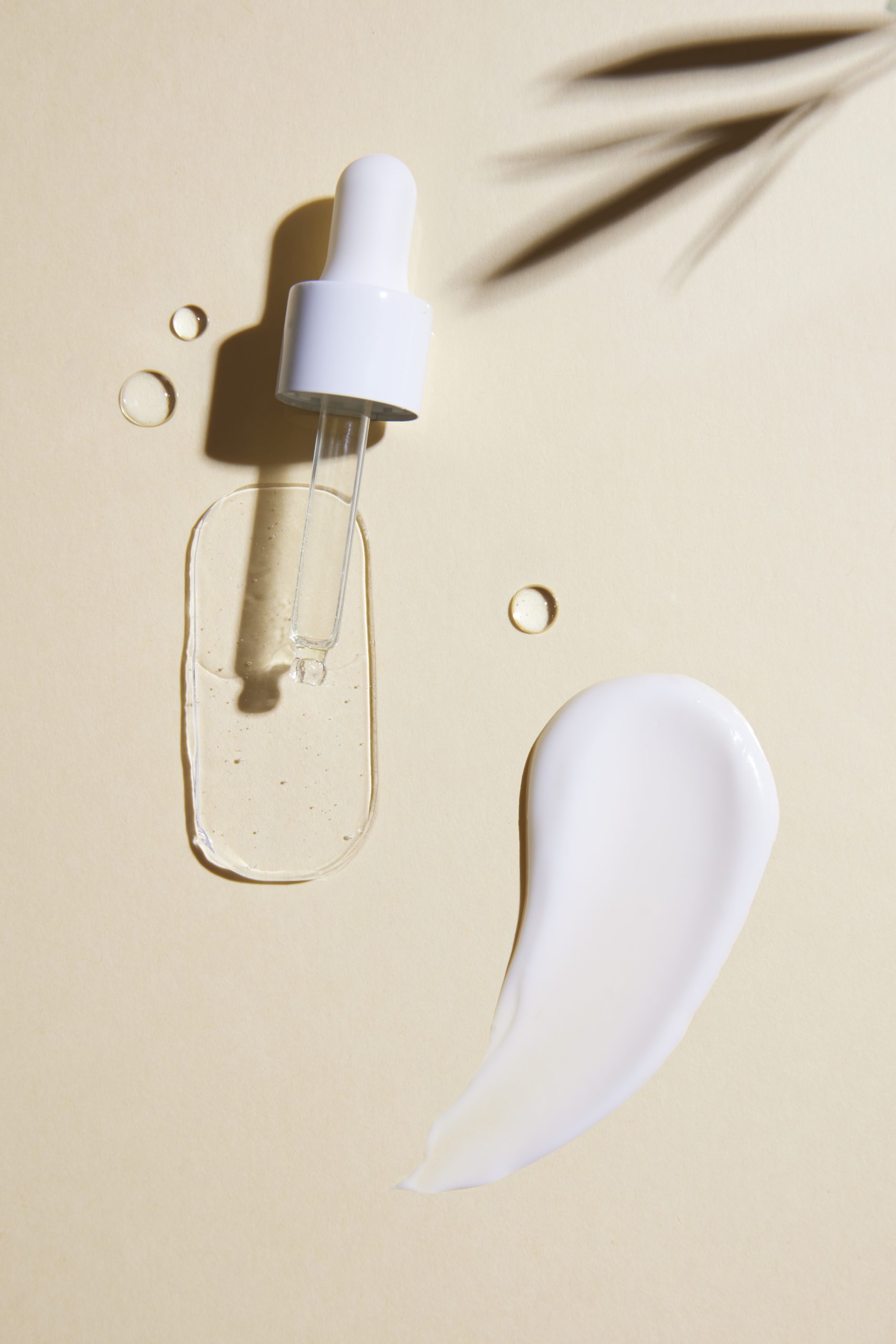
By combining our plant-based butters, oils, antioxidants and texturing agents, you have a broad range of sustainable ingredients to meet the latest cosmetic trends.
To learn more about our plant-based butter products, explore ingredient applications or request support for your hair care and skincare developments, contact our technical experts.